We asked AI models what Datadog costs. The answers should worry every brand
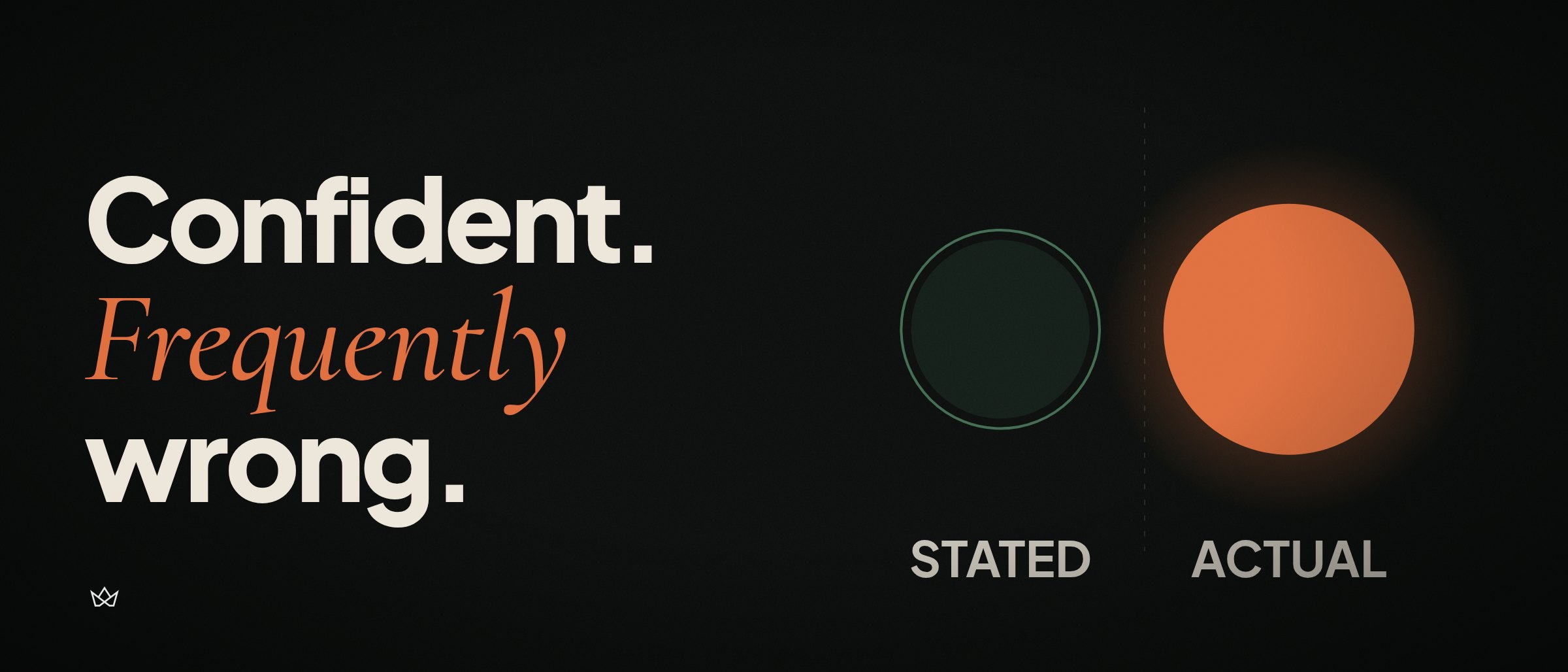
AI models are confident. They state specific numbers. And they're frequently wrong. If buyers ask AI what you cost, the answer shapes the deal before you ever talk.
TL;DR
As part of our observability report, we checked what AI models say about pricing for 30 monitoring tools, then compared the answers to actual published pricing. The models are confident. They state specific numbers. And they're frequently wrong. This is a hallucination problem that affects every brand with complex pricing, and most brands have no idea it's happening.
Why AI gets pricing wrong
Pricing pages are one of the hardest content types for AI models to handle accurately. Many vendor pricing pages are dynamically generated, requiring configuration choices before showing numbers. Some are gated behind "contact sales" forms. Others change quarterly.
Training-only models carry pricing information from their training data, which could be a year or more old. Web-search models attempt to pull current pricing, but they often land on cached or outdated versions of pricing pages, or they pull numbers from third-party review sites that themselves have stale data.
The result: AI models generate pricing claims with the same confidence they use for factual statements, but with significantly lower accuracy.
What this means for brands
If a potential buyer asks ChatGPT "how much does Datadog cost" or "what is New Relic's pricing," they get a specific answer. That answer influences their budget expectations before they ever talk to your sales team. If the number is wrong, you start the conversation correcting a misperception rather than making a case for value.
This applies to every brand with complex or dynamic pricing. If your pricing page requires configuration before showing numbers, AI models are probably guessing. If you changed pricing in the last year, older AI models are citing the old numbers.
How to check
Ask each of the major AI models what your product costs. Compare the responses to your actual pricing. Note which models are accurate and which are not. If the errors are significant, consider publishing clearer, more accessible pricing information that AI models can parse without needing to configure options or navigate gates.
Structured pricing content, FAQ-style pricing pages, and comparison tables with specific numbers are more machine-legible than dynamic pricing calculators. They give AI models something concrete to cite. This is the same content-structure principle that drives the rest of AI visibility: if a model can't parse it cleanly, it guesses, and guesses get cited as fact.
The full Observability report covers pricing accuracy across all 30 brands, alongside the complete rankings, citation analysis, and playbook.
Read the full Observability reportFrequently asked questions
Why do AI models hallucinate pricing?
Pricing pages are often gated, dynamically generated, or frequently changed. Training-only models carry year-old figures; web-search models pull cached pages or stale third-party data. The model then states whatever it found with full confidence, accurate or not. More on AI hallucination.
How do I find out what AI says my product costs?
Ask each major model directly: "How much does [your product] cost?" Compare every answer to your real pricing and log which models are right. Doing this systematically across models is exactly what AI visibility tracking is for.
How do I make AI report my pricing accurately?
Publish machine-legible pricing: structured tables with specific numbers, FAQ-style pricing pages, and ungated content. Dynamic calculators and "contact sales" gates force AI to guess. Give it something concrete to cite.
Does this only affect observability tools?
No. Any brand with complex, gated, or recently changed pricing is exposed. Observability is just where we measured it first, because the category has unusually configuration-heavy pricing.
Renown is an AI visibility platform that tracks how AI models talk about your brand across ChatGPT, Claude, Gemini, Perplexity, and Google AI Overviews.
Related Articles
Six Questions to Ask Your AI Visibility Data
A score is a thermometer. It tells you there's a fever. Six questions that tell you why, and what to do about it.
Ask Renown From Claude and ChatGPT
Your AI visibility data, answered by the AI you already use. Connect once, then ask in plain language.
How AI Chooses Its Sources: 3,543 Citations, Analyzed
AI doesn't read your website. It reads Reddit, YouTube, Wikipedia, and a handful of independent blogs. We have the data: 3,543 citations across two engines and 60 questions.


